
What are Archetypes?
Have you ever been in an argument with your bestie debating who is hotter romantasy king of the smoldering, warrior fae, Rhysand, or dark romance lone-wolf vigilante, Zade Meadows. Both are debatably toxic, both undeniably thirsted after on BookTok. So who is right, your bestie or you? Well, it all comes down to this little thing called archetypes.
Ah, archetypes—because we all have a type, and it’s been scientifically analyzed by Carl Jung and repackaged by Hollywood ever since. These universal character molds aren’t just storytelling tropes; they’re deeply ingrained in how we process romance, attraction, and fantasy.
In fiction, Joseph Campbell took Jung’s ideas and mapped out the Hero’s Journey ( learn about the Hero’s Journey here), essentially saying: “Congrats, all stories are the same, just with different outfits.” And romance? No exception. Whether you swoon over brooding vampires or unshakable saints, your taste in romantic heroes likely falls into one (or a blend) of four major archetypes.
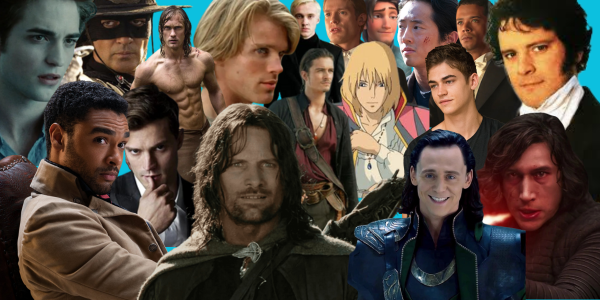
I applied the Jungian definition of archetypes to the romance genre to better understand why we are willing to die in defense of fictional heroes and what it says about us. The four archetypes are classified as the mystics, the king, the rebel and the saint. The Mystic is the supernatural, fate-driven hero who offers destiny and allure. The King is the powerful, dominant ruler who elevates his chosen love. The Rebel is the dangerous, passionate anti-hero who thrives on defiance. Lastly, the Saint is the virtuous, self-sacrificing protector whose love is either unwavering or forbidden.
Beforehand, although these are classified as romantic heroes, the examples are taken from all genres of fiction and types of media (think how fan fiction began–horny teenagers consuming fiction and wanting to explore their fiction crushes). Secondly, although I am writing this in hetero-normative language, the hero archetypes transcend gender or sexual preference. So, if you’ve always had a thing for Katniss (a rebel) then the same character traits and reader desires apply!
Ready to confront your fiction crush? Let’s break down the four archetypes of romantic heroes!
The Mystic



The Mystic is the ultimate “it was written in the stars” romance. This archetype pulls in those who secretly want to feel chosen by someone impossibly powerful, mysterious, and just the right amount of broody. And of course, no Mystic love story is complete without a love triangle, because what’s destiny without a little competition to spice things up? The real fantasy here? I’m not just loved—I’m fated. So, if you’re drawn to Mystics, you’re not just looking for romance; you’re looking for cosmic-level validation.
Who is The Mystic?
This archetype is a supernatural, mysterious, fate-driven, and brooding hero. I mean, what’s romance without a little existential angst? This archetype doesn’t just offer love; he offers destiny, sweeping you away from the mundane and into a world where you are special simply because fate says so. Whether he’s a vampire, fae prince, or ancient warrior cursed to wander the earth until you break the spell, the Mystic exists to validate your uniqueness. After all, out of everyone in the universe, he chooses you—and if that’s not the ultimate fantasy, what is?
Traits of The Mystic
| Trait | Description |
|---|
| Supernatural | Often possesses magic, immortality, or otherworldly abilities. |
| Mysterious | Keeps secrets, speaks in cryptic riddles, and broods in the shadows. |
| Fate-Driven | Believes in destiny, prophecy, or cosmic forces guiding their love story. |
| Brooding | Wears emotional turmoil like a fashion statement; stares moodily into the distance. |
| Romantic Appeal | Offers a love that feels predestined, making you the center of the universe. |
| Common Roles | Vampires, fae, fallen angels, cursed warriors, time travelers, wizards, werewolves, aliens, monsters, mermaids, beasts, demons. |
| Core Fantasy | “I am special because fate chose me.” |
Examples of The Mystic
The Prototype: Edward Cullen (Twilight)
Pale. Immortal. Glistens in the sun like a disco ball. Creeps into your bedroom uninvited. 10/10, the quintessential Mystic. But what really cements Edward as the blueprint for this archetype isn’t just the brooding or the superpowers—it’s the way he makes Bella feel chosen. In a school full of normal teenagers, he’s impossibly drawn to her, obsessing over her scent, her thoughts (or lack thereof, since he can’t read her mind), and her mere existence. Bella isn’t the smartest, strongest, or most interesting person in Forks—but to Edward, she is everything, defying fate, biology, and his own self-loathing just to love her. She isn’t just a girl; she’s his girl, the one person in the universe who disrupts the eternal monotony of his vampire existence. And if that’s not Mystic energy, I don’t know what is.
Other Mystic Examples:
- Rhysand (ACOTAR) – Sexy fae overlord with an empire and a tragic past? Check.
- Dracula (Dracula) – The OG dark, mysterious lover, minus the sparkling.
- Akiva (Daughter of Smoke and Bone) – Angel warrior? Yes. Star-crossed lover? Of course.
- Howl (Howl’s Moving Castle) – Drama king, magical heart-stealer, walks around in literal clouds.
- Lestat de Lioncourt (The Vampire Chronicles) – Seductive, tragic, and eternally brooding.
- Ash (The Iron Fey series) – A fae prince bound by duty and an unavoidable tragic love.
Why You Love Him:
You’re not like other girls—and you want someone who sees that. Mystics offer a world bigger than the mundane, full of fate, magic, and eternal love. Basically, a glorified “You are special” package wrapped in shadowy allure.
Key Question: If you strip away the magic, what’s left?
The King
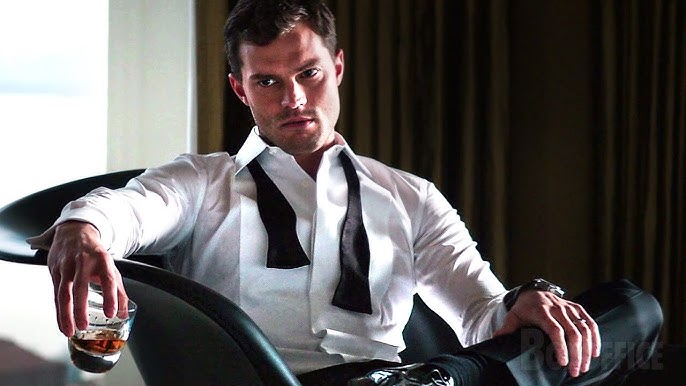
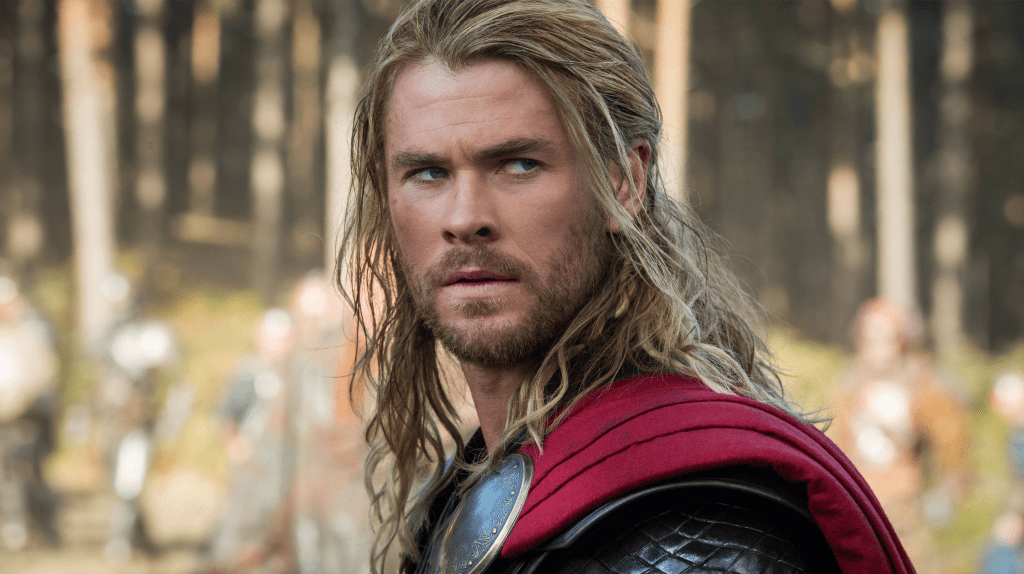

The King archetype is all about dominance, status, and the fantasy of being elevated by love. He’s the untouchable ruler, the billionaire with the world at his feet, or the warlord who commands armies—and yet, out of everyone, he chooses you. Kings embody power, wealth, and unwavering authority, making them the perfect romantic hero for those who crave both security and status. There’s nothing subtle about a King’s love; it’s consuming, absolute, and often comes with a private jet or a literal throne. The real fantasy here? I am desired by the most powerful man in the room—therefore, I am special.
Who is the King?
This archetype is a high-status, powerful, commanding, and protective hero. He doesn’t just love—he owns. Whether he’s a billionaire, a mafia boss, or a literal monarch, his love is a privilege, something rare and exclusive. The King’s presence alone is enough to change your life, offering stability, protection, and an undeniable thrill. But beneath the arrogance and control, there’s always a hint of vulnerability—because even the most powerful man in the world is powerless when it comes to you.
Traits of The King
| Trait | Description |
|---|---|
| High-Status | Owns an empire, leads a kingdom, or is simply the most important man in the room. |
| Powerful | Wealth, influence, and absolute control—he plays by his own rules. |
| Dominant | Commanding presence, expects obedience, but melts for you. |
| Protective | Will destroy anyone who threatens you, no questions asked. |
| Romantic Appeal | Elevates you from ordinary to extraordinary by choosing you above all others. |
| Common Roles | Kings, billionaires, mafia bosses, CEOs, generals, superheroes, gods, aristocrats. |
| Core Fantasy | “I am elevated because the most powerful man desires me.” |
Examples of The King
The Prototype: Christian Grey (Fifty Shades of Grey)
Billionaire. Control freak. Owns a helicopter and your heart. Christian Grey is the modern King archetype wrapped in a tailored suit. He’s cold, untouchable, and emotionally unavailable—until Anastasia, an ordinary college student, somehow becomes the one woman who can bring him to his knees. Despite his power, wealth, and obsessive need for control, Christian’s love is all-consuming, making Anastasia feel like the only woman in the world. It’s not just about romance—it’s about status, the fantasy of being the one person who can tame the untamable. And if that’s not King energy, what is?
Other King Examples:
- Mr. Darcy (Pride and Prejudice) – Grumpy aristocrat with a fortune and an ego the size of Pemberley.
- Maxim de Winter (Rebecca) – Wealthy, brooding, and possibly keeping a few secrets in his mansion.
- Thor (Marvel) – A literal god with a hammer and a kingdom.
- Daemon Black (Lux series) – Alien, powerful, and always in control (except when it comes to her).
- Reyes Farrow (Charley Davidson series) – Son of Satan, ridiculously powerful, and hopelessly devoted.
Why You Love Him:
You want more than just love—you want elevation. The King offers security, power, and the ultimate fantasy of being the one person who can bring a powerful man to his knees. He doesn’t just desire you; he chooses you above all others, making you feel exceptional in a way no ordinary romance could.
Key Question: If you strip away the power, does he still love—or does he just conquer?
The Rebel
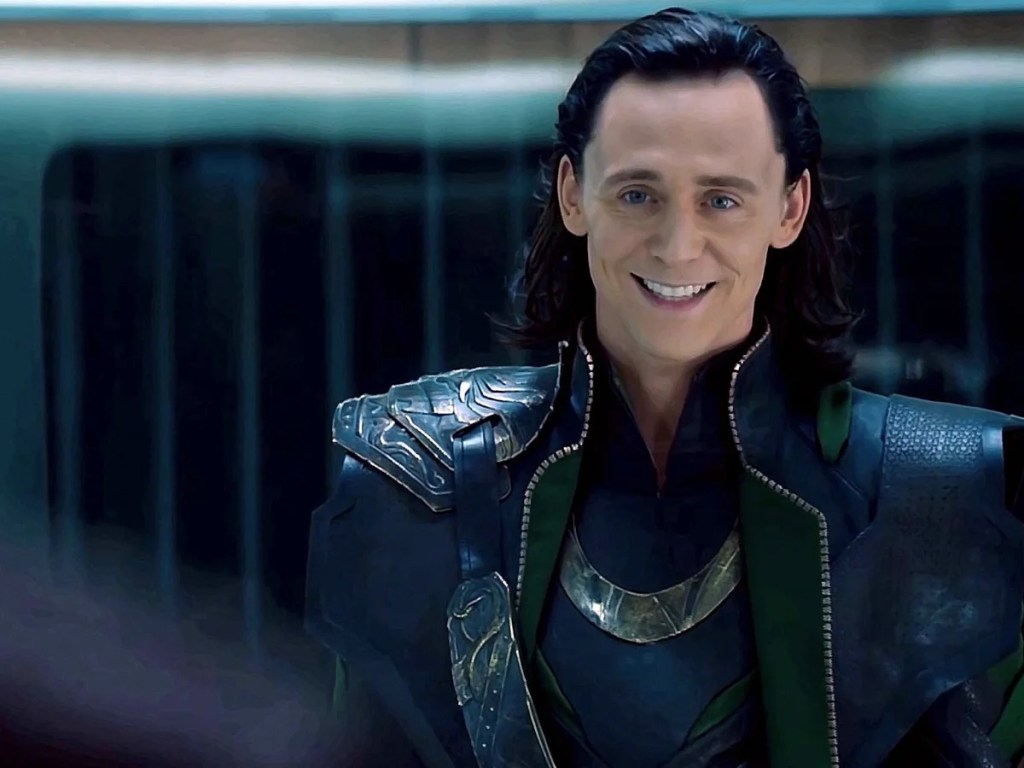
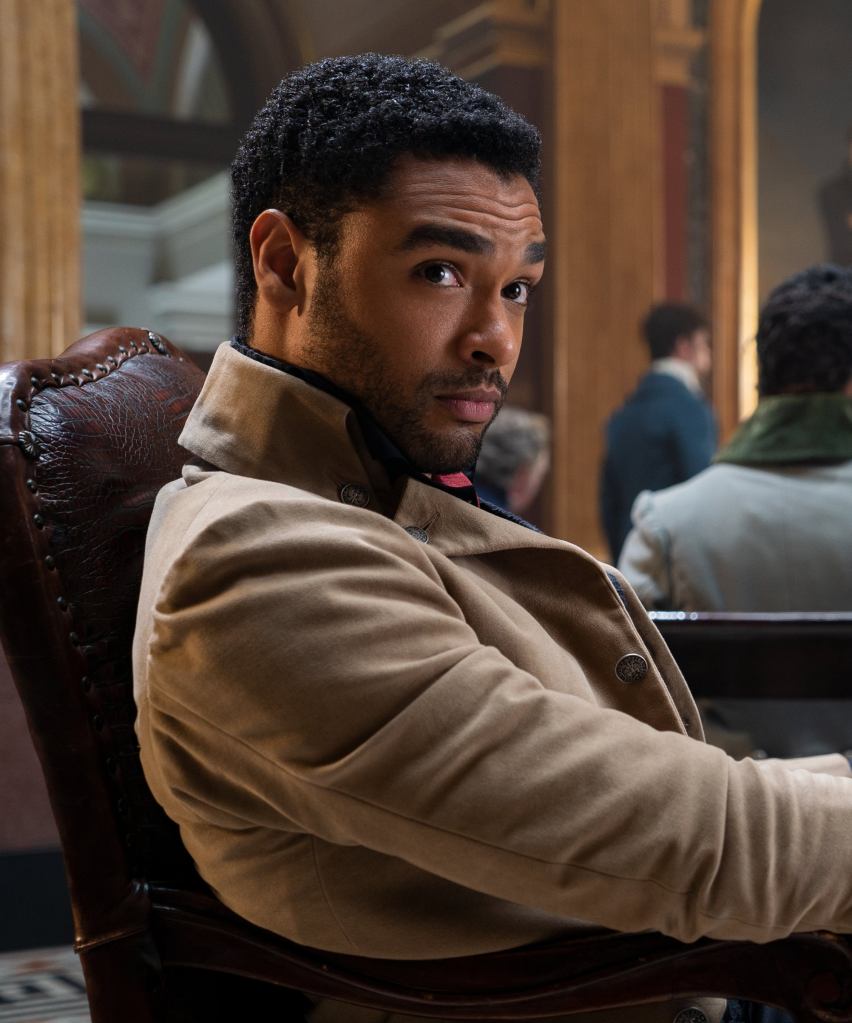

Who is The Rebel?
This archetype is a non-conformist, dangerous, tortured, and passionate hero. He doesn’t just challenge the world—he defies it. Whether he’s a charming outlaw, a brooding villain, or a morally gray anti-hero, the Rebel is all about breaking rules, pushing limits, and keeping everyone guessing, he’s the bad boy. But despite his rough exterior, there’s always a flicker of something deeper—a hidden pain, a tragic past, a need for redemption. And that’s what makes him irresistible.
Traits of The Rebel
| Trait | Description |
|---|---|
| Non-Conformist | Refuses to follow the rules, whether they’re society’s or his own. |
| Dangerous | A little (or a lot) reckless, with a devil-may-care attitude. |
| Tortured | Carries deep emotional wounds but refuses to talk about them. |
| Passionate | Love with him is intense—fights, make-ups, and everything in between. |
| Romantic Appeal | You’re the only one who truly understands him (and might be able to fix him). |
| Common Roles | Outlaws, pirates, anti-heroes, assassins, vigilantes, misunderstood villains. |
| Core Fantasy | “I am the only one who can save him.” |
Examples of The Rebel
The Prototype: Kaz Brekker (Six of Crows)
Criminal mastermind. Unapologetically ruthless. Emotionally unavailable with exactly one exception. Kaz Brekker is the definition of The Rebel—dangerous, brilliant, and entirely closed off to the world, except for her. With his tragic past and sharp mind, he navigates the criminal underworld with cold precision, trusting no one, until Inej, the one person who can see through the armor, changes everything. Kaz isn’t just rebellious—he’s a survivor, a fighter, a man who bends the world to his will. And if you fall for The Rebel, you love the idea of being the one person who sees his softer side.
Other Rebel Examples:
- Jack Sparrow (Pirates of the Caribbean) – Chaotic pirate energy with a smirk and a bottle of rum.
- Loki (Marvel) – God of Mischief, ultimate trickster, deeply complicated.
- Sirius Black (Harry Potter) – Rebellious, tormented, and fiercely loyal.
- Mr. Rochester (Jane Eyre) – Gothic bad boy with secrets (and an attic problem).
- Jay Gatsby (The Great Gatsby) – Self-made, reckless, and chasing an impossible dream.
- Zade Meadows (Haunting Adeline) – Dark, obsessive, and dangerous in all the ways.
- Kylo Ren (Star Wars) – Emotionally unstable Sith with daddy issues and an obsession with one girl.
- Hardin Scott (After series) – Walking red flag with a British accent and a penchant for emotional chaos.
- Simon Basset(Bridgeton)- A defiant, teasing, tempting rake, unwilling to be confined by marriage.
- Edmond Dantes (The Count of Monte Cristo)- A vengeful count set on punishing those who unjustly imprisoned him.
Why You Love Him:
You don’t just want romance—you want fireworks. The Rebel is dangerous, passionate, and unpredictable, making every moment with him a thrill. He doesn’t just love you—he fights for you, and maybe, just maybe, you can be the one to save him from his demons.
Key Question: Is he actually redeemable, or are you just ignoring the red flags?
The Saint



The Saint is the ultimate test of patience, loyalty, and unwavering moral integrity—until you come along. If you love this archetype, it’s usually for one of two reasons: either you crave the security of eternal devotion, or you want the thrill of being the one exception to his unshakable convictions. He’s steadfast, principled, and dedicated to his cause—whether it’s justice, faith, duty, or honor—but the tension lies in the fact that he is immovable… except when it comes to you.
The real fantasy? Either “he will love me unconditionally” or “I am the only one who can break him.”
For those drawn to the pure devotion of the Saint, his love offers an unshakable foundation—security, loyalty, and a deep, soul-binding connection that cannot be undone. He is the one who will wait for you, stand by you, and protect you even at great personal cost. But if you’re intrigued by the shadow side of this archetype, the attraction might not be to his devotion at all—it’s to the temptation of corrupting him.
There is an undeniable thrill in seducing the untouchable, in being the Bathsheba to his King David, the one desire he shouldn’t have but cannot resist. He may be devoted to a higher calling—his faith, his duty, his intellectual pursuits—but in your presence, his restraint begins to crack. The Saint’s fall from grace, his moral struggle, his torment over choosing between what is “right” and what he wants—that’s the fantasy at play. It’s not just romance, it’s power.
If you find yourself drawn to the idea of breaking the Saint’s convictions, this archetype might be playing on your shadow side—the part of you that enjoys temptation, control, and the power of being irresistible to someone who should know better. Unlike the Rebel, who defies rules openly, the Saint wants to follow the rules… until you make him question everything.
Who is The Saint?
This archetype is a humble, virtuous, duty-bound, and self-sacrificing hero. He doesn’t love recklessly or impulsively—his love is steady, enduring, and often tinged with longing. Whether he’s a knight, a scholar, or the sheriff protecting his small town, his devotion is absolute, and his morality is non-negotiable. He’s the kind of man who would take a bullet for you without hesitation—not because he’s reckless, but because protecting the people he loves is simply who he is.
Traits of The Saint
| Trait | Description |
|---|---|
| Humble | Doesn’t seek power or recognition but always does what’s right. |
| Virtuous | Follows a strong moral code, even when it costs him everything. |
| Self-Sacrificing | Willingly puts others first, even at his own expense. |
| Duty-Bound | Driven by responsibility, honor, or a sense of greater purpose. |
| Uncompromising | Relentlessly pursues his calling—whether it’s faith, academics, justice, or love—until something (or someone) shakes his foundation. |
| Romantic Appeal | The slow-burn love story where passion builds beneath restraint. |
| Common Roles | Knights, sheriffs, soldiers, healers, mentors, scholars, priests, angels. |
| Core Fantasy | “I am the only one who can awaken his desire.” |
Examples of The Saint
The Prototype: Peeta Mellark (The Hunger Games)
Gentle. Devoted. Would literally let himself be killed before hurting you. Peeta Mellark is the textbook Saint—a man who loves unconditionally, sacrifices without hesitation, and always puts Katniss’s happiness before his own. Even when she doubts him, even when she struggles to love him back, Peeta remains constant, embodying the fantasy of the man who loves so deeply that no obstacle—not even war, death, or emotional distance—can shake his devotion. If you fall for The Saint, you don’t just want romance—you want love that is pure, unconditional, and eternal.
The Prototype: Father Ralph de Bricassart (The Thorn Birds)
A priest sworn to God. A woman he can’t resist. Father Ralph is the perfect Saint—devoted, disciplined, untouchable—until Meggie Cleary. She is his greatest temptation, the one thing that makes him question everything he stands for. He resists, choosing duty over desire, until love finally breaks him. His fall isn’t just about passion—it’s about losing himself completely to the one woman he could never have. If you love the Saint, you might not just want devotion—you might crave the power of being his only weakness.
Other Saint Examples:
- Aragorn (The Lord of the Rings) – The warrior-king who never seeks power but bears it with honor.
- Remus Lupin (Harry Potter) – Kind, self-sacrificing, and burdened by duty, even to his own detriment.
- Rick Grimes (The Walking Dead) – A sheriff who will do anything to protect those he loves.
- Captain America (Steve Rogers) (Marvel) – The ultimate good guy, always doing what’s right, no matter the cost.
- Wesley (The Princess Bride) – The devoted farm boy who literally comes back from the dead for love.
- Gabriel Oak (Far from the Madding Crowd) – The patient, loyal farmer who stands by his love despite rejection.
- Father Ralph de Bricassart (The Thorn Birds) – A priest torn between his faith and forbidden love, embodying the ultimate sacrifice.
- Tarzan (Tarzan)-A naive jungle man, pure in his human interactions but will die for his band of gorillas.
Why You Love Him:
You don’t just want passion—you want devotion. The Saint offers the security of a love that will not waver, a partner who will always put you first. He doesn’t love recklessly or selfishly; he loves in a way that is unwavering, pure, and deeply real.
Key Question: Does his restraint make him irresistible, or are you secretly wishing he’d break the rules—just for you?
Overlap: The Power of Secondary Archetypes

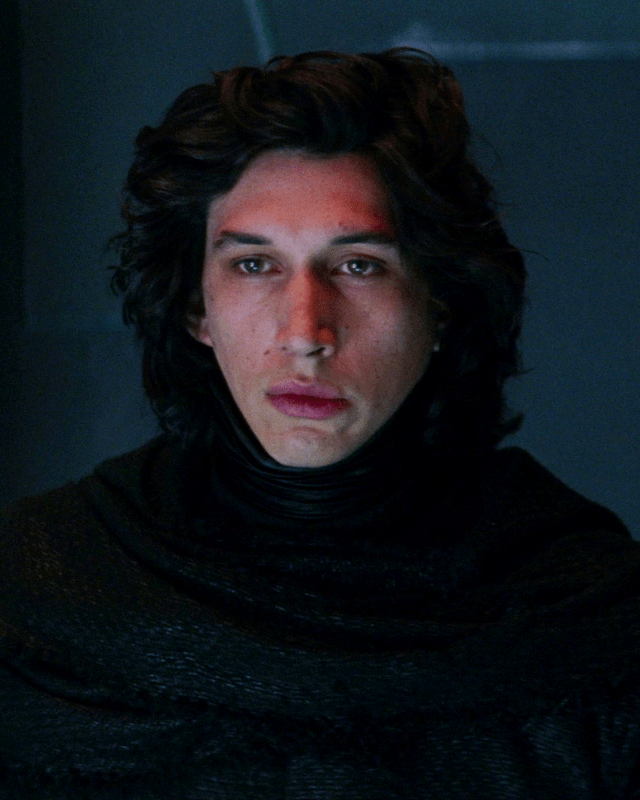

No hero is one-dimensional, and no truly compelling romantic lead fits neatly into just one archetype. The most unforgettable characters are a blend of a core archetype (their dominant traits and primary appeal) and a secondary archetype (the added complexity that makes them unique).
The core archetype defines the foundation of a hero’s personality—whether he is fate-driven like a Mystic, powerful like a King, dangerous like a Rebel, or unwavering like a Saint. The secondary archetype adds layers, shaping how his core traits manifest in relationships. Is your King also a Rebel, challenging authority even as he rules? Is your Mystic part Saint, struggling between destiny and morality? These combinations add depth, making characters feel more real and dynamic.
Common Archetype Overlaps
While each archetype stands strong on its own, blending them creates characters that resonate on multiple levels. Here’s how some of the most compelling overlaps play out:
- Mystic-King – Mysterious and powerful, he is both untouchable and fated. (Ex: Rhysand, Dracula)
- King-Rebel – Rules with dominance but challenges authority himself. (Ex: Loki, Kaz Brekker)
- Rebel-Saint – A good man buried beneath a dangerous exterior. (Ex: Remus Lupin, Rick Grimes)
- Mystic-Saint – A vampire with virtue. (Ex: Edward Cullen)
- Saint-King – A fair, just, virtuous, and good King. (Ex: Aragon)
Overlapping Archetypes Chart
| Core Archetype | Secondary Archetype | What It Creates | Examples |
|---|---|---|---|
| Mystic | King | The fate-driven ruler | Rhysand (ACOTAR), Dracula (Dracula) |
| Mystic | Rebel | The cursed outcast, rejecting his destiny | Kylo Ren (Star Wars), Howl (Howl’s Moving Castle) |
| Mystic | Saint | The chosen one, torn between fate and morality | Edward Cullen, Angel (Buffy) |
| King | Mystic | The divine or prophetic ruler | Oedipus (Oedipus Rex) |
| King | Rebel | The rogue leader, ruling by defiance | Kaz Brekker (Six of Crows), Loki (Marvel) |
| King | Saint | The noble ruler, bound by duty | Maxim de Winter (Rebecca), Thor (Marvel) |
| Rebel | Mystic | The tortured soul with supernatural chaos | Lestat de Lioncourt (The Vampire Chronicles), Daemon Black (Lux) |
| Rebel | King | The dangerous ruler, power gained through force | The Darkling (Shadow and Bone), Hardin Scott (After) |
| Rebel | Saint | The morally torn anti-hero | Remus Lupin (Harry Potter), Rick Grimes (The Walking Dead) |
| Saint | Mystic | The fated protector, struggling between good and destiny | Wesley (The Princess Bride), Gabriel Oak (Far from the Madding Crowd) |
| Saint | King | The noble guardian, leading with integrity | Captain America (Marvel), Dalinar Kholin (Stormlight Archive), Aragon |
| Saint | Rebel | The disciplined man tempted by darkness | Father Ralph (The Thorn Birds), Sheriff Matt Dillon (Gunsmoke) |
How Archetypes Are Markets: The Core First, The Truth Second
When it comes to romantic heroes, the core archetype is usually the selling point—the hook that grabs readers and fuels the fantasy. The Mystic is marketed as supernatural and fated. The King is all about power and dominance. The Rebel promises danger and excitement, while the Saint embodies loyalty and restraint. But underneath that glossy exterior, their true nature is often something else entirely. Take Edward Cullen—he’s sold as a brooding, immortal vampire, a creature of supernatural mystery. But strip away the vampirism, and what remains? A man obsessed with morality, self-control, and doing what’s right. That’s not what sells books, though, so the marketing leans into fangs first, ethics second.
The One King to Break the Archetype Rules
The exception to this rule—and I’ll allow debates, but since I made this system, I win—is Aragorn. Unlike traditional Kings, Aragorn is not introduced as a ruler but as Strider, a rugged wanderer who chooses to help the Hobbits out of sheer decency. His kingship is secondary—revealed later in the story and framed as a duty he has deliberately rejected because of the corruption tied to power. This immediately disqualifies him from the typical King fantasy, which thrives on dominance, authority, and the allure of being chosen by the most powerful man in the room. People are not drawn to Aragorn because he’s a King; they’re drawn to him because he represents the good of humanity in a world that has almost lost it. His power is incidental—his virtue is what makes him compelling. Aragorn isn’t a King-Saint because he rules with power—he’s a Saint-King because his character comes first, and his crown is just a responsibility he chooses to bear.
What This Means for Readers & Writers
For readers, recognizing secondary archetypes helps explain why certain heroes feel more complex or uniquely appealing. Maybe you love Mystics but prefer them with a rebellious streak, or you’re drawn to Saints who still have an edge of danger.
For writers, layering archetypes is key to creating unforgettable characters. Start with a core archetype, then blend in a secondary one to add depth, conflict, and tension. The best heroes don’t just fit into a box—they challenge expectations while still delivering on the core fantasy that makes them irresistible.
So, who’s your perfect hero? Do you need the devotion of a Saint with the danger of a Rebel? Or the power of a King with the mystery of a Mystic? Maybe your heart belongs to an archetype blend you never even realized you loved.
What Romantic Archetypes Say About You
Romantic archetypes aren’t just about the heroes we love—they’re about the fantasies they fulfill and what they reveal about us. Whether in romantasy (romantic fantasy) or dark romance, the core appeal of a hero is shaped by the way he’s marketed, but his deeper archetype is what makes him stick. Some people crave the unwavering devotion of a Saint, while others thrill at the danger of a Rebel, the dominance of a King, or the supernatural pull of a Mystic. And sometimes, we want both. Attraction isn’t static—what draws you in at sixteen may evolve by twenty-five, or you may always find yourself caught between two archetypes, pulled in opposite directions. The best stories acknowledge this complexity, blending archetypes or setting them in conflict, mirroring the tension between who we are, who we think we are, and who we secretly wish to be.
I know this firsthand. As a teenager, I was hopelessly in love with Sirius Black and Remus Lupin, and looking back, I can see why—together, they reflected the duality of my own identity. With Sirius, I saw myself as the good girl the bad boy loves, the one who can save him from his self-destructive nature. But with Remus, my shadow side whispered a different fantasy—the thrill of unraveling someone who was intelligent, restrained, and deeply moral, the temptation of being his undoing. On the surface, I wanted to be redeeming; in the depths of my subconscious, I wanted to be corrupting. This dual attraction wasn’t just about the characters—it was about me, about the two sides of who I was and who I wanted to be (and also about religious shame, but that’s a different conversation;P). And that’s the real magic of archetypes: they don’t just shape the heroes we love—they hold up a mirror to our own desires.
 BookTok Hell-O
Leave a comment